

In this episode, we dive into the massive frustrations surrounding club and AAU data accessibility, pull back the curtain on the chaotic reality of modern college recruiting, and highlight an incredible, often overlooked academic and athletic opportunity for high school hoopers in the West.
Key Discussion Points
1. The AAU Data Black Hole
Tracking spring club tournaments (April and May) shouldn’t feel like a top-secret intelligence mission. Despite parents and teams paying premium entry fees ($700–$900+ per tournament) and the availability of high-end tools like Synergy, Hudl, and BallerTV, finding basic game schedules, team records, and official stats remains mind-numbingly difficult for the average person.
The Reliable Circuits: If you aren’t playing on the Nike EYBL, EYCL, or Under Armour Association (UAA) circuits, verified data is almost non-existent.
The Ghost Circuits: Circuits like Adidas 3SSB and Puma offer virtually no easily accessible public records or individual player statistics.
The “Dad Stat” Factor: Without centralized, tournament-verified data, players are left posting unverified weekend stats on X (Twitter). While well-intentioned, college coaches have no way to verify if those numbers are real or padded by proud parents.
2. The College Coaching Conundrum & Recruiting Reality Check
The landscape of college basketball recruitment has completely fundamentally shifted for the Classes of 2027 and 2028.
D1 Offers = Job Contracts: With NIL and the transfer portal, a Division I scholarship offer out of high school is practically a professional employment contract.
Coaches are Overwhelmed: College coaching staffs are facing a constant onslaught of legislative updates (like changing eligibility windows and immediate transfer rules). Every month brings a new rule change or lawsuit.
The High School Deprioritization: Because coaches are forced to focus heavily on retaining their current roster, navigating the transfer portal, recruiting JuCo veterans, and scouting international talent, traditional high school recruiting has fallen significantly down the priority list.
Advice for Players & Parents: Unless a player is firmly cemented in the top 200–250 recruits nationally, they are unlikely to see heavy, active D1 recruitment until the very end of their senior year. Stop stress-counting offers. Play hard, focus on continuous improvement, stay humble, and treat every single coach who reaches out—from JuCo to D3—with the utmost respect.
3. Don’t Sleep on Division III: The Hidden Gem
Because Utah doesn’t have any local NCAA Division III programs, the level is widely misunderstood by local families—and some even view a D3 look as a slight. That is a massive mistake. D3 basketball features an incredibly high level of play, elite academic prestige, and unparalleled professional networks (e.g., Emerson College’s deep ties to NBA front offices, famously producing executives like OKC Thunder GM Sam Presti).
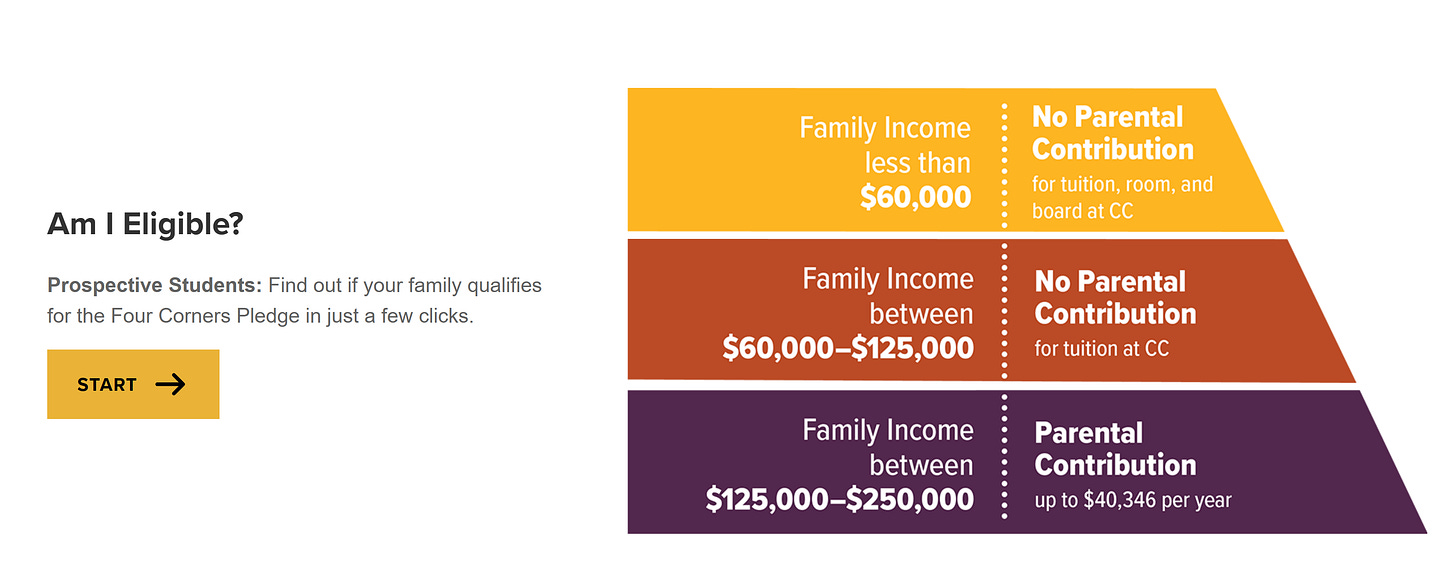
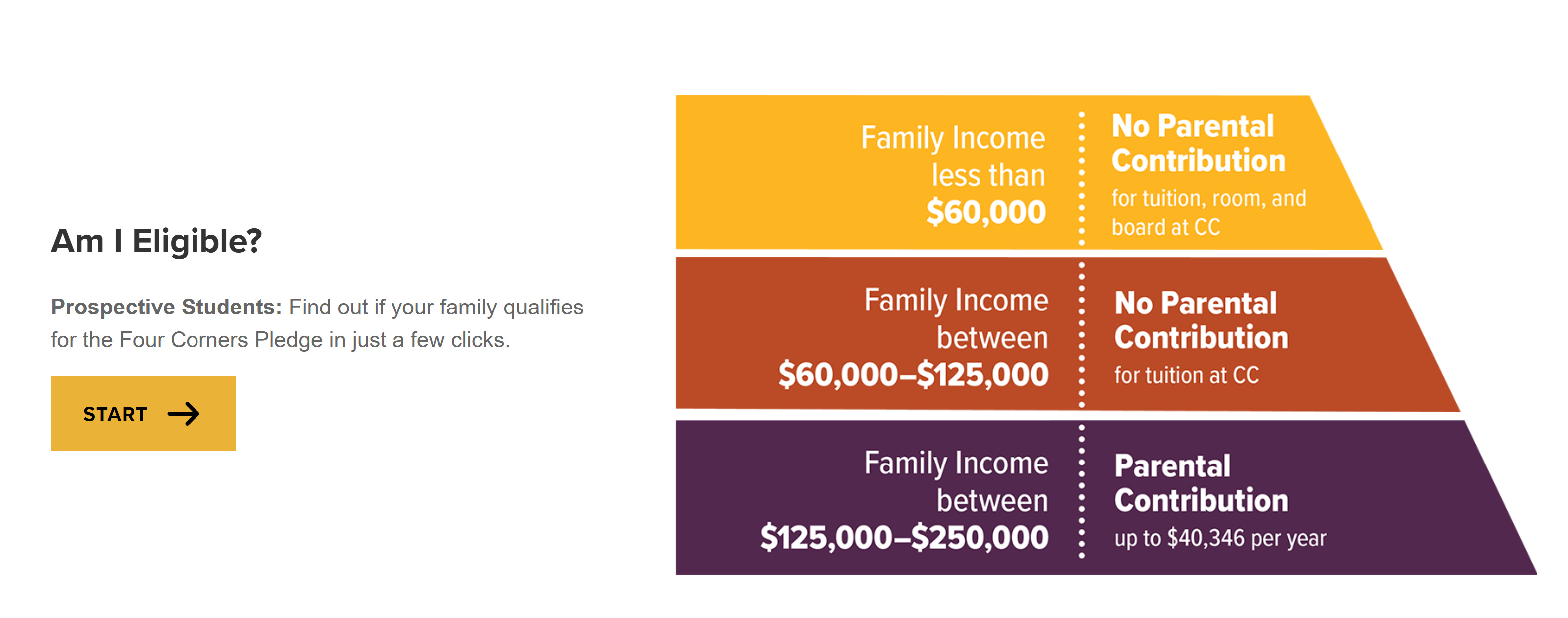
The Colorado College “Four Corners” Policy: D3 schools do not offer athletic scholarships, but their institutional financial aid can change your life. Colorado College (CC), located in Colorado Springs, has an incredible financial aid initiative:
Families making under $125,000/year qualify for free tuition.
Families making under $60,000/year get free tuition, room, and board.
If you qualify academically for these elite institutions, you can effectively play high-level college basketball and earn a premium degree out of pocket for little to no money.
Upcoming Events & Coverage
The Great Western Classic
Dates: June 3rd – June 5th
What to Expect: Top-tier local teams alongside elite out-of-state competition. This event is a staple for college coaches looking to scout regional talent.
Coverage: Will Beck will be on-site providing live updates and comprehensive coverage directly on Instagram.
Thanks for listening! Make sure to subscribe, leave a review, and follow us on X for more updates on the Utah high school basketball scene.


